Twenty years of colour research and ten years of packaging research, encoded in software. Behavioural science on one side, a measurable design score on the other.
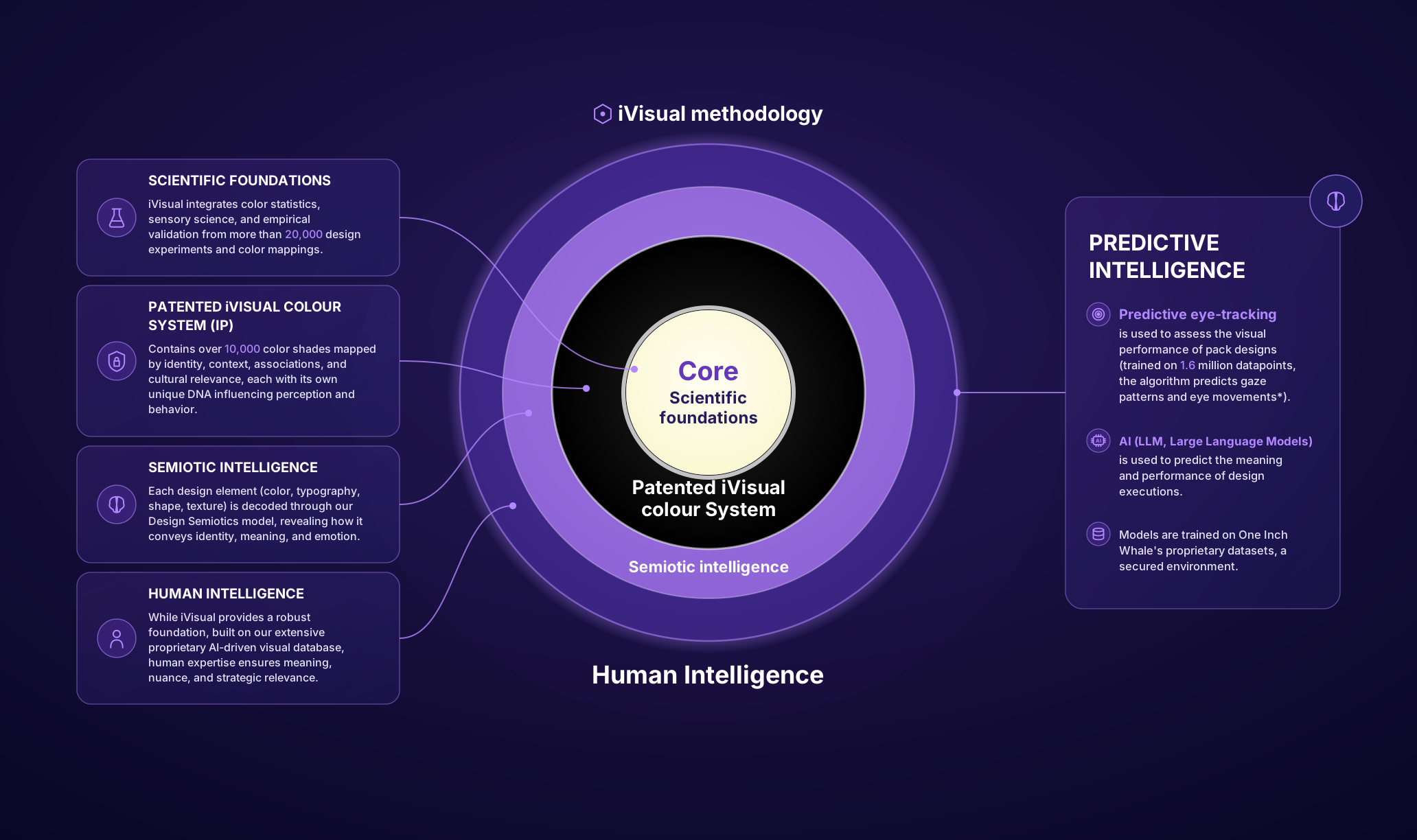
Built by engineer Luc Van Renterghem, this is the first system to define colour by measurable scientific values and to cluster it by style, type, meaning and cultural context. That double classification is what makes a design score reproducible instead of interpretive.
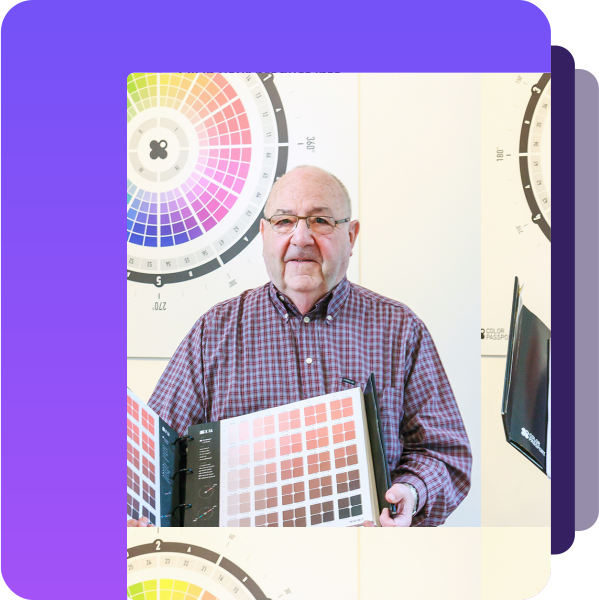
The architecture is hierarchical. Each level inherits the behavioural meaning of the level above it, which is why a colour can be scored against a brand DNA instead of described.
Every shade in the system carries a measured semantic value instead of a design opinion. That mapping is what the patent covers.

Scientific foundations, the patented colour system, semiotic intelligence and predictive AI operate as one model. Each layer feeds the next, which is why an output can be traced back to the input that produced it.

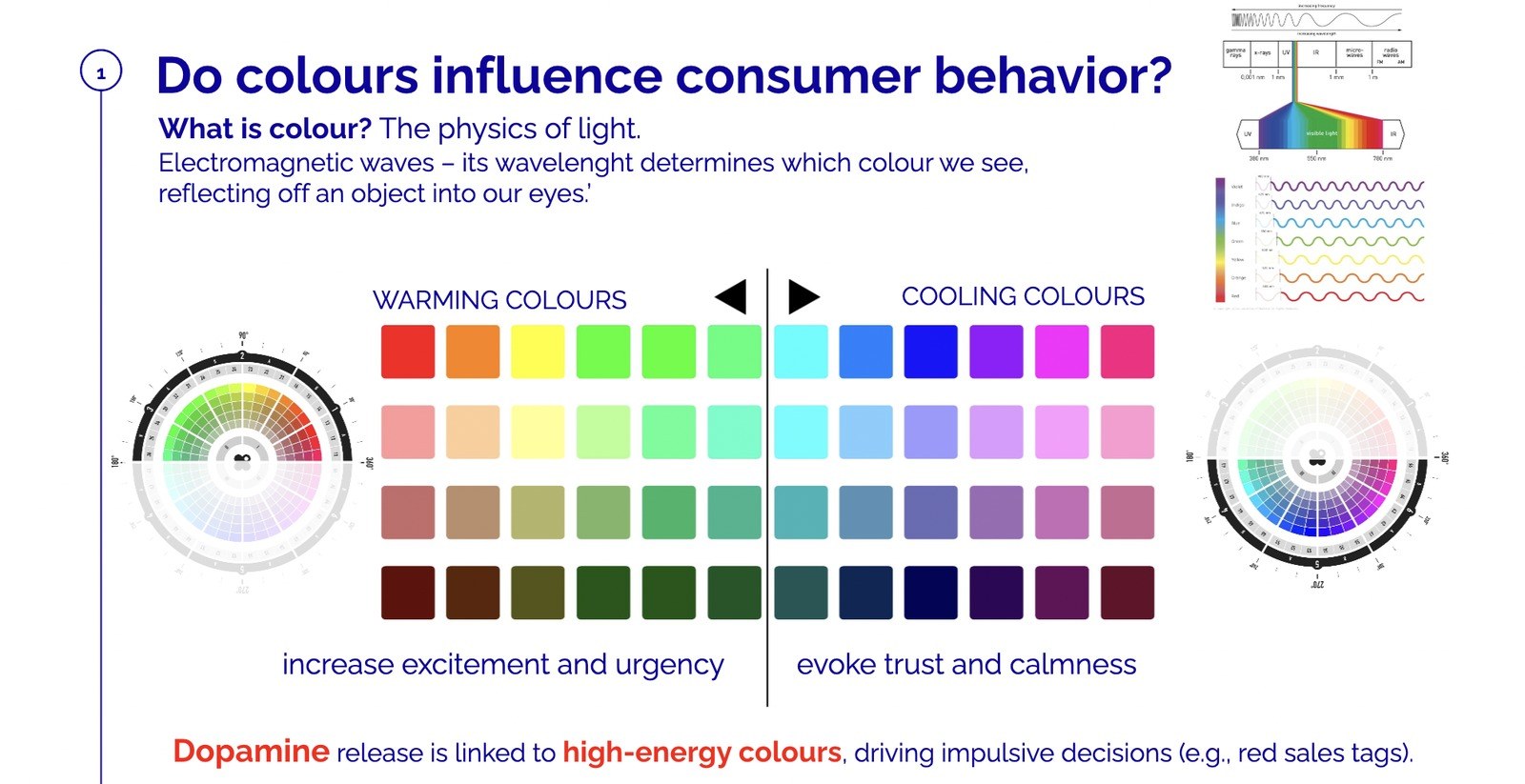
Maps why people buy: security, belonging, prestige, hedonism and more. Warm clusters activate. Red raises heart rate, yellow captures attention first, and both drive urgency at shelf. Two yellows can look identical and signal different motivations. Censydiam identifies which one matches your objective.
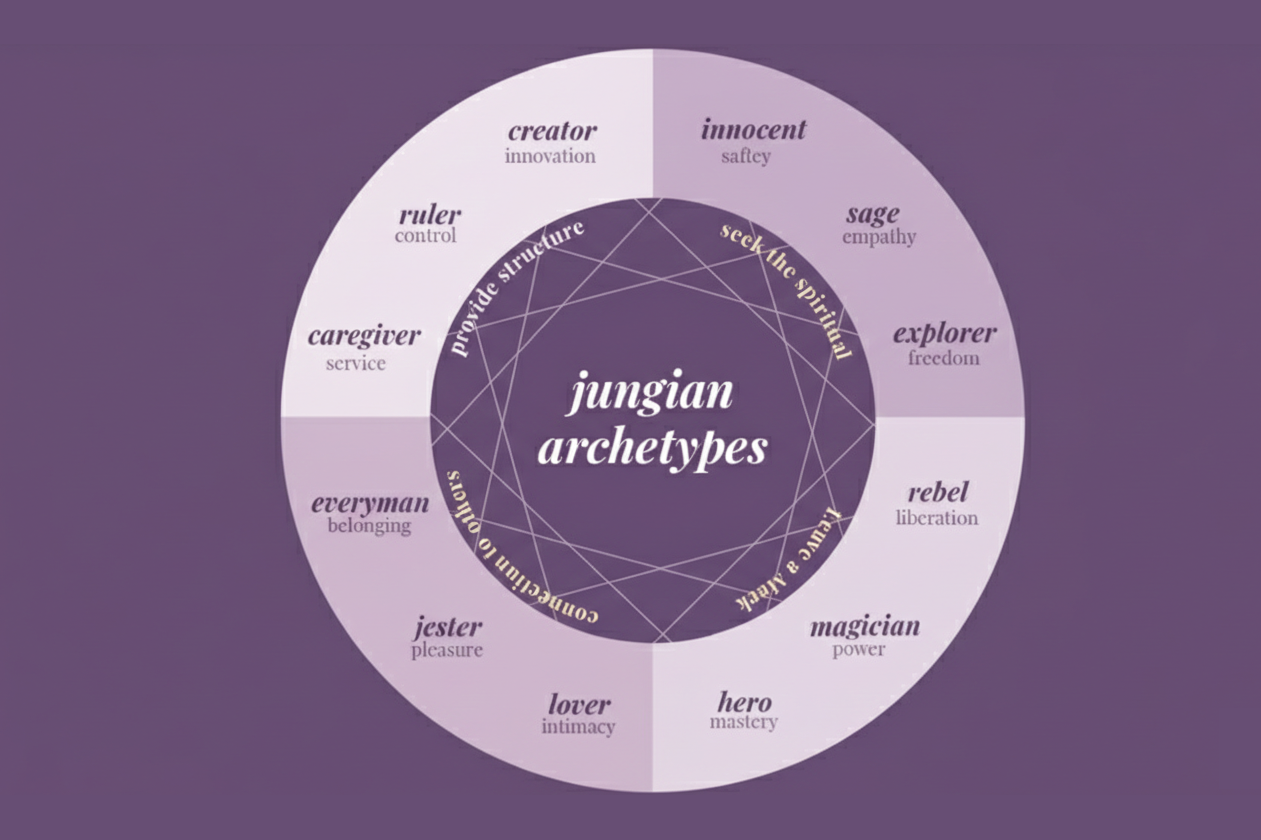
Defines consistent brand personalities: Caregiver, Explorer, Hero. Cool clusters engage the limbic system and read as trust, control and calm. A Hero brand pairs with bold, saturated clusters. A Caregiver favours soft, nurturing tones. Alignment strengthens recognition across pack, shelf and screen.
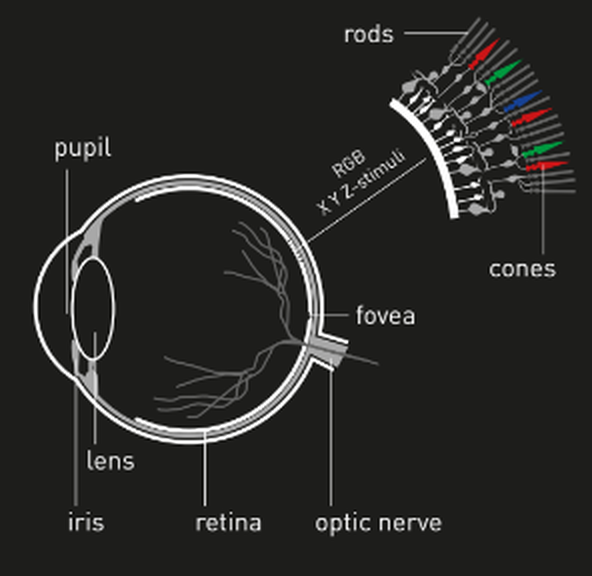
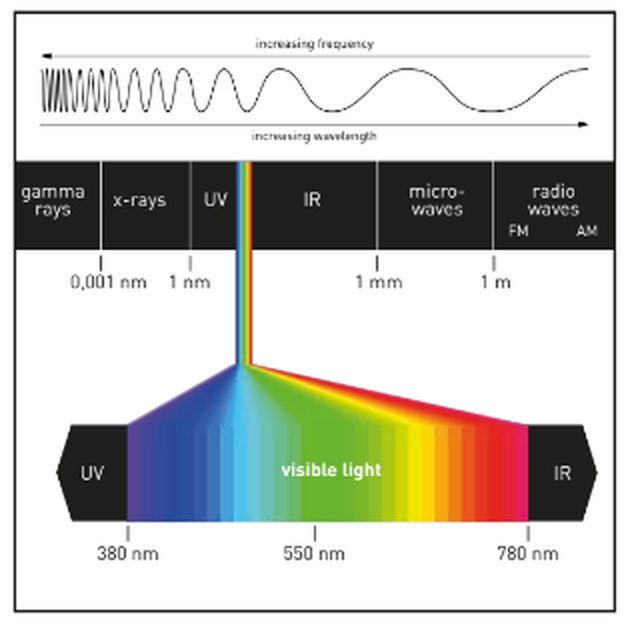
Colour reaches the brain before language. Rods and cones convert light into RGB and XYZ stimuli, and the response is emotional before it is rational. In 84.7% of buying decisions colour decides first, and 95% of those choices are taken in System 1. That is the layer iVisual measures, which is why a score predicts behaviour instead of describing taste.
Compute reproduces patterns. It does not reproduce a twenty year measurement programme, and it cannot license a patent it does not hold.
Structured inputs define brand values, audience motivations, archetypes, product attributes and category context. This layer drives every recommendation downstream.
10,000+ shades mapped to Censydiam motivations, Jungian archetypes and cultural behavioural data. The translation engine between strategy and visual choice.
Predictive algorithms score packaging against DNA, shelf context and competitors. 1.6 million data points drive eye-tracking prediction and visual impact scoring.
Every output is a scored decision with a named correction. Faster sign-off, fewer revision rounds, validated packaging that performs at shelf.
15 days of trial access in the demo environment, on your own product category.